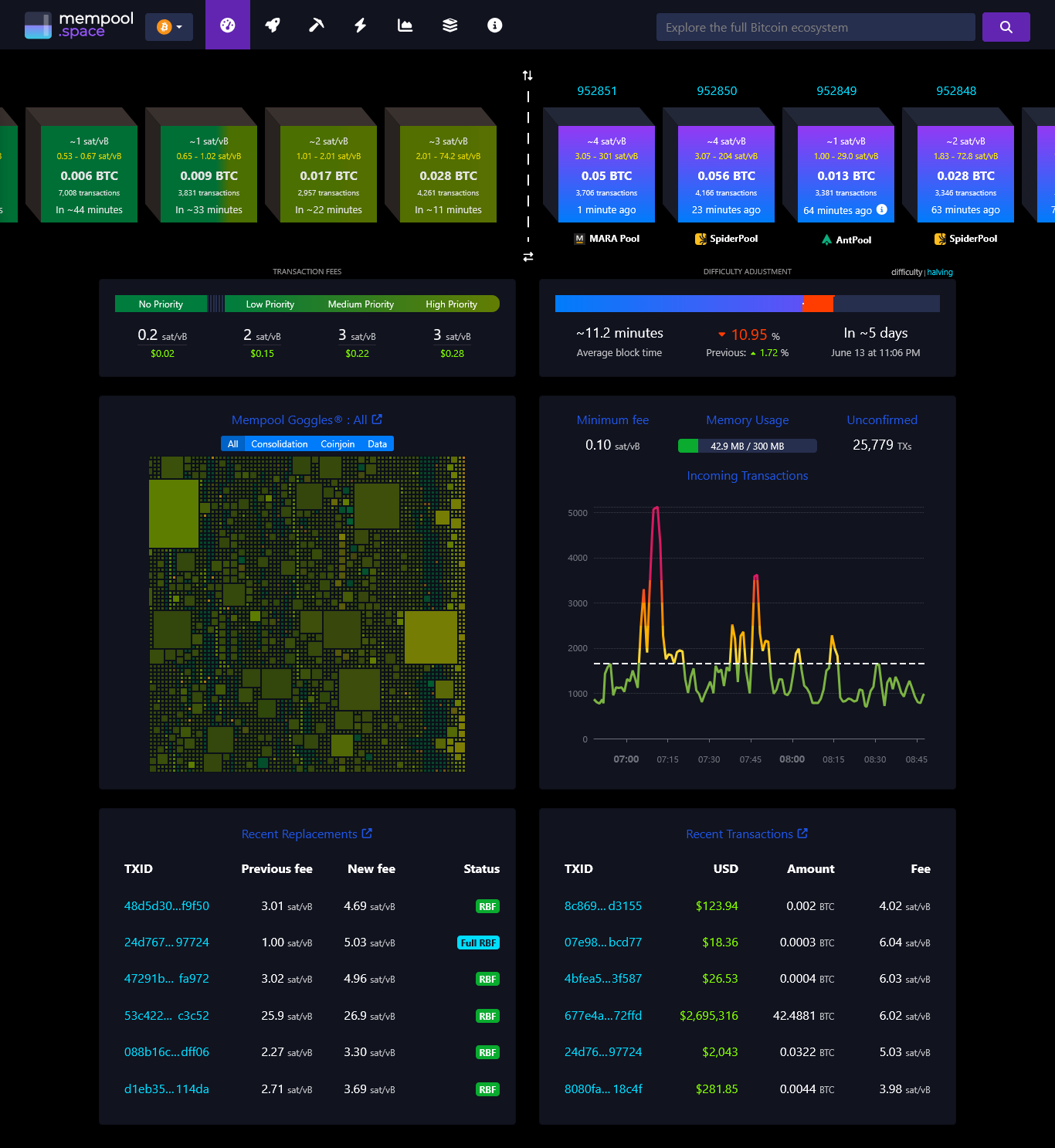
Understanding the Mempool in Blockchain Systems :>
In blockchain networks, the term mempool (short for memory pool) refers to a temporary holding area where unconfirmed transactions wait before being added to a block. It plays a crucial role in how transactions are processed, prioritized, and eventually recorded on-chain.
Although the concept exists across many blockchain systems, it is most commonly discussed in relation to Bitcoin, where transaction demand, fee markets, and block space limitations make the mempool especially important.
What the Mempool Actually Is ://
When a user submits a transaction on a blockchain network, it does not get added to the ledger immediately. Instead, it first travels through the network and lands in the mempool of participating nodes.
Each node maintains its own version of the mempool. This means there is no single global mempool—rather, there are many synchronized but not identical pools across the network.
At its core, the mempool is:
1. A queue of valid but unconfirmed transactions
2. Stored in RAM (memory), not permanent storage
3. Continuously updated as transactions are added or confirmed
How Transactions Enter and Leave the Mempool :>
1. Transaction Broadcast ://
A user submits a transaction, which is broadcast to the network.
2. Validation by Nodes ://
Nodes check basic rules:
. Is the signature valid? , ;> Does the sender have sufficient balance? , :> Is the format correct?
If valid, the transaction enters the mempool.
3. Waiting for Block Inclusion ://
Miners or validators select transactions from the mempool to include in the next block.
4. Confirmation and Removal ://
Once a transaction is included in a mined or validated block, it is removed from the mempool across nodes.
Transaction Fees and Prioritization ://
One of the most important features of the mempool is fee-based prioritization.
Since block space is limited, miners typically choose transactions that offer higher fees per byte. This creates a competitive marketplace inside the mempool:
. Higher fee → faster confirmation , :> Lower fee → longer wait times , :>Very low fee → possible indefinite delay or drop
During periods of high network demand, the mempool can become congested, causing fee spikes.
Why the Mempool Matters ://
The mempool is not just a waiting room—it is a dynamic pricing and scheduling system. It helps the blockchain network:
:> Allocate limited block space efficiently , :> Incentivize miners/validators economically , :>Provide transparency into network demand
:> Allow users to estimate confirmation times
Many wallet applications now use mempool data to recommend optimal transaction fees.
Differences Across Blockchains :/
While the concept is similar, implementations differ:
. Bitcoin-style systems: Strict fee prioritization and relatively transparent mempool behavior
. Ethereum-style systems: Include more complex fee markets (e.g., base fees and tips under EIP-1559)
. Some modern blockchains reduce mempool reliance by using alternative ordering mechanisms or faster finality systems
Risks and Edge Cases ://
Transactions in the mempool are not final and can still be:
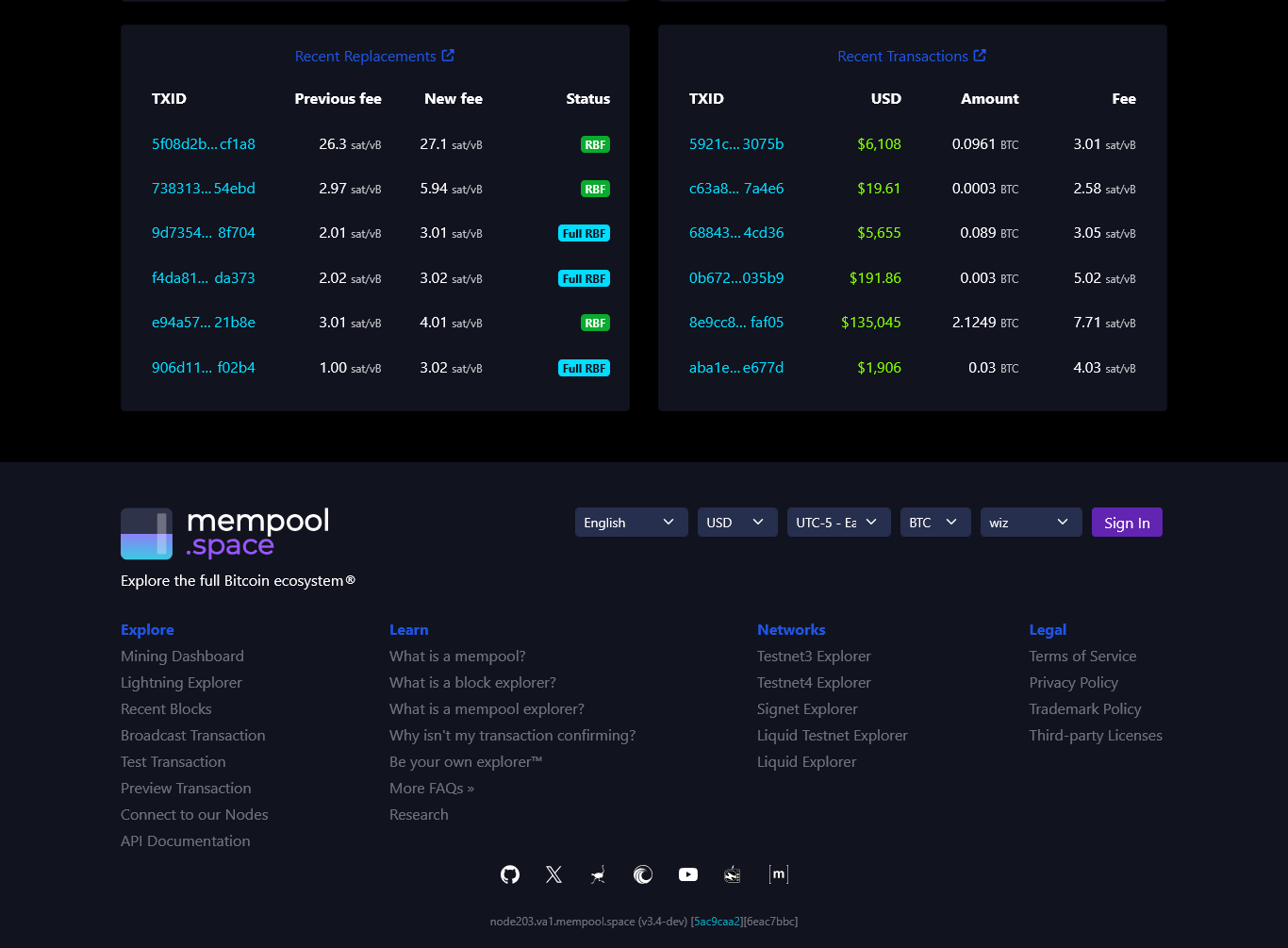
. Dropped if fees are too low , Replaced (in some networks) by higher-fee versions , Delayed indefinitely during congestion.
This is why users often see “pending” states in wallets.
# Final Thoughts ://
The mempool is a foundational but often invisible part of blockchain infrastructure. It acts as both a buffer and a marketplace, balancing limited block space with global transaction demand. Without it, decentralized networks like Bitcoin would struggle to coordinate transaction ordering efficiently.
Understanding the mempool helps explain why transaction fees fluctuate, why confirmations sometimes take time, and how blockchains maintain fairness under heavy load.